Fiancee Embroidery Design Review for Merch
As an embroidery designer who has spent years digitizing and testing files for small business merchandise, I approach every new machine embroidery design with a critical eye. It is not just about whether the art looks pretty on a screen; it is about how it performs under the needle, how it holds up in the wash, and how it elevates a brand’s identity. Today, I am reviewing Fiancee, a design positioned within the Valentine S Day category, to determine its viability for commercial use.
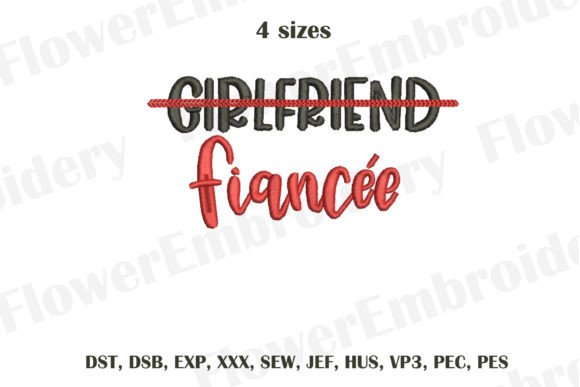
The product description promises a cute embroidery marking the new status of a fiancee, noting that it nicely decorates any fabric you choose and comes with multiple embroidery formats. For shop owners, Etsy sellers, and apparel decorators, these details are the starting point, but the real value lies in execution. Let us break down how Fiancee fits into a professional workflow.
First Impressions and Visual Personality
When I first load the Fiancee file into my editing software, the immediate impression is one of playful elegance. The term "cute" in the description suggests a approachable, friendly aesthetic rather than a rigid corporate look. This is crucial for brands targeting engaged couples, wedding planners, or boutique gift shops. The design feels handmade and personal, which aligns perfectly with the current consumer demand for authentic, artisanal products.
For a small business merch strategy, this visual personality is an asset. It does not scream "mass-produced." Instead, it invites connection. Whether used on a tote bag or a custom apron, the design communicates warmth. However, "cute" can sometimes translate to thin lines or delicate details in digital form. As a designer, my first task is to inspect the stitch paths to ensure that this charm does not compromise durability.
Real-World Applications for Small Businesses
The versatility of Fiancee makes it a strong candidate for various custom apparel and accessory projects. Here is how I envision this design performing in a commercial setting:
- Embroidered Patches: This is perhaps the strongest use case. A patch allows for high-density stitching on a stable backing, ensuring the design remains crisp. These can be sold as standalone items or added to denim jackets and canvas bags.
- Tote Bag Design: Canvas provides an excellent texture for embroidery. The Fiancee motif would serve as a charming accent on bridal shower favors or boutique shopping bags, enhancing the unboxing experience.
- Apron Embroidery: For bakeries, florists, or craft studios offering engagement-themed workshops, embroidering this design on staff aprons adds a layer of professionalism and thematic consistency.
- Cap Embroidery: Placing the design on the front panel of a dad hat or baseball cap can create trendy, wearable merch. However, curved surfaces require careful digitizing to prevent puckering.
- Boutique Merchandise: Think beyond clothing. This design could adorn throw pillows, table runners, or even pet bandanas for brands targeting the wedding industry.
By integrating Fiancee into these items, businesses can create a cohesive brand identity that resonates with customers celebrating love. It transforms a simple product into a keepsake.
Technical Considerations and Production Challenges
While the aesthetic appeal is clear, production realities must be addressed. The description states the design comes with multiple embroidery files, which is standard for accommodating different hoop sizes. However, it does not specify exact stitch counts or density recommendations. This is where the experienced designer must step in.
Stitch density is a critical factor. If the design is too dense, it may cause fabric distortion, especially on lighter materials like chiffon or thin cotton. Conversely, if it is too sparse, the backing might show through, particularly on dark uniforms or navy-blue tote bags. I recommend running test stitches on scrap fabric similar to your final product before committing to a full production run.
Another consideration is thread colors. The "cute" nature of the design likely relies on soft pastels or vibrant reds and pinks typical of Valentine S Day themes. Ensure you have high-quality rayon or polyester threads that offer good coverage and sheen. Poor quality thread can make even the best design look amateurish.
Additionally, consider the hoop size constraints. If you are working with small patches or sleeve details, verify that the design scales down without losing legibility. Tiny lettering or intricate outlines can merge together when reduced, creating a blob of thread rather than a clear message. Always check the smallest intended size in your software before hooping.
Enhancing Brand Identity and Customer Trust
Using a well-executed design like Fiancee directly impacts customer trust. When a buyer receives a finished product with clean, balanced embroidery, they perceive higher value. It signals that the business cares about quality and detail. This is especially important for handmade brands and Etsy sellers who compete on craftsmanship rather than price alone.
Consistency is key. If Fiancee is part of a larger collection, ensure it shares visual traits with your other design assets. This creates a recognizable style that customers can identify across different products, from commercial embroidery projects on uniforms to small gift items.
Practical Designer Notes for Implementation
Before launching Fiancee in your store, follow these practical steps to ensure success:
- Test in Black and White: Convert the design to monochrome in your software to check for contrast issues. If the design relies solely on color differentiation, it may fail on single-color garments.
- Check Fabric Texture: Test the design on various fabrics. Textured materials like terry cloth or wool may require different stabilizers than smooth cotton.
- Use Proper Stabilizer: Choose a cut-away stabilizer for stretchy fabrics and tear-away for woven materials. This prevents shifting and ensures crisp edges.
- Create a Printable Mockup: Use digital mockups to visualize the design on different products before stitching. This helps in marketing and client approvals.
- Confirm Commercial Licensing: Although the description implies use for decoration, always verify the license terms included with the digital embroidery file. Ensure you have the right to sell items made with this design.
- Inspect Spacing: Look for jump stitches or long travels that might need trimming or editing to maintain a professional finish.
In conclusion, Fiancee offers a charming opportunity for businesses to tap into the emotional market of engagements and weddings. With careful attention to technical details like stabilizer choice and stitch density, it can become a staple in your custom apparel lineup. By treating this embroidery file as a strategic business asset rather than just a decorative element, you can enhance your product offerings and strengthen your brand presence in the competitive handmade marketplace.