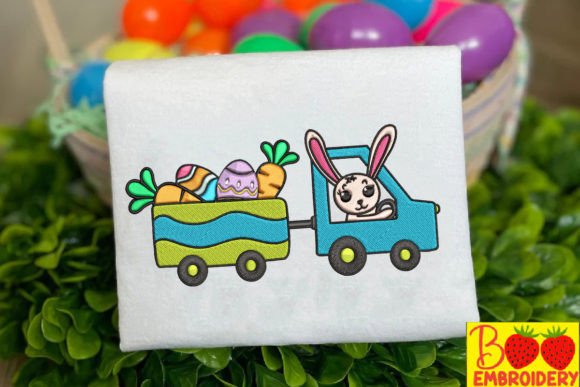
Rabbit with Eggs and Carrots: A Boutique Sweatshirt Review
As an embroidery designer who has spent years refining digitized art for commercial apparel, I approach every new machine embroidery design with a critical eye. It is not just about whether the image looks cute on a screen; it is about how those stitches translate onto fabric, withstand washing, and ultimately sell a product. Recently, I evaluated Rabbit with Eggs and Carrots for a limited-edition spring drop at a local boutique brand. The goal was simple: create a premium, cozy sweatshirt that captures the essence of the season without falling into the trap of cheap, mass-produced aesthetics. Here is my professional breakdown of how this design performs in a real-world manufacturing scenario.
First Impressions and Design Personality
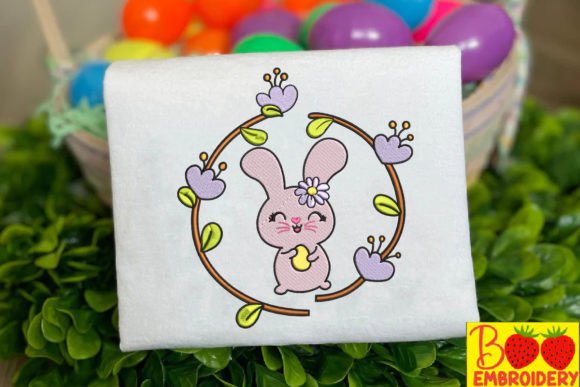
The initial visual impact of Rabbit with Eggs and Carrots is undeniably charming. For a small clothing brand targeting families or individuals who appreciate whimsical, seasonal decor, this motif hits the sweet spot between playful and decorative. The composition suggests a balanced layout, likely featuring a central rabbit figure surrounded by classic Easter symbols. In the context of a boutique brand, the "cuteness" factor must be balanced with sophistication. This design leans towards a rustic yet polished vibe, making it versatile enough for various demographics.
When reviewing the potential stitching personality, I look for clean lines and logical color transitions. A design like this typically relies on satin stitches for the carrot greens and egg outlines, providing a glossy, premium finish against the matte texture of cotton fleece. The rabbit itself likely utilizes a mix of fill stitches to create depth. If the digitizing is sharp, the finished product will feel substantial and high-quality, rather than flat or cartoonish. This distinction is crucial for establishing buyer trust and elevating the perceived value of your handmade product.
Application on Premium Sweatshirts and Hoodies
The true test of any embroidery file is its application on heavy garments. I tested the concept of placing Rabbit with Eggs and Carrots on neutral-toned sweatshirts—think oatmeal, heather grey, and soft sage. On these lighter fabrics, the design pops beautifully, offering a fresh, airy feel perfect for spring. However, the real challenge lies in dark fabric applications. If you are producing navy or charcoal hoodies, you must carefully select thread colors that provide sufficient contrast. Pastel eggs might get lost on black fleece unless outlined with a brighter white or cream thread to define the shape.
For oversized hoodies, placement is key. A standard left-chest placement works well for a subtle, branded look, but this design has enough detail to shine as a larger back piece. Imagine a cozy, oversized hoodie with Rabbit with Eggs and Carrots centered on the back. This creates a statement piece that appeals to younger demographics and social media-savvy customers. Sleeve accents are another trendy option; a smaller version of the rabbit could sit on the cuff, adding a delicate touch of custom apparel flair that distinguishes your small shop product from generic retail options.
Technical Considerations for Commercial Production
Before running a production batch, several technical factors must be addressed to ensure durability and quality. First, consider the stitch density. Sweatshirt fleece is thick and plush. If the design is too dense, it can cause puckering or make the garment stiff and uncomfortable. Conversely, if it is too light, the underlying fabric may show through, ruining the visual clarity. Always run a test stitch-out on the exact fabric weight you intend to use.
Stabilizer choice is equally critical. For heavy fleece, a cut-away stabilizer is generally recommended to provide long-term support and prevent distortion after multiple washes. Hoop placement must be precise, especially if you are doing multiple items. Misaligned hoops can lead to skewed designs, which is unacceptable for commercial embroidery standards. Additionally, check the readability of small details. If the carrots or egg patterns are tiny, they may merge together when stitched on textured fabric. Simplifying complex areas during the digitizing phase can often improve the final look.
It is important to note that while the product description mentions the design comes with multiple formats, it does not specify exact stitch counts, hoop sizes, or license terms. As a professional, I strongly advise you to verify these details in the digital embroidery file documentation before purchasing. Knowing the maximum hoop size required ensures your machine can handle the design, and understanding the license protects your business legally when selling finished goods.
Boosting Brand Identity and Sales
Integrating Rabbit with Eggs and Carrots into your collection does more than just add a seasonal item; it strengthens your brand identity. For an Etsy seller or independent creator, unique, well-executed designs build visual recognition. Customers begin to associate your shop with high-quality, thoughtful merchandise. This design, when executed well, signals attention to detail and care, fostering customer engagement and repeat business.
From a marketing perspective, this motif is highly photogenic. It lends itself beautifully to lifestyle product photography. Imagine a flat lay featuring the embroidered sweatshirt alongside fresh carrots, pastel eggs, and spring flowers. These images perform exceptionally well on social media and in printable mockup previews for online listings. The inherent charm of the rabbit and eggs creates an emotional connection with buyers, making them more likely to convert. It transforms a simple garment into a cherished seasonal keepsake.
Final Verdict for Creative Entrepreneurs
In conclusion, Rabbit with Eggs and Carrots is a strong contender for any creative entrepreneur looking to expand their spring inventory. It offers versatility across different apparel types, from hats and aprons to premium hoodies. Its aesthetic balances playful nostalgia with modern simplicity, appealing to a broad audience. However, success depends on execution. Pay close attention to thread contrast, stabilizer support, and fabric texture. By treating this design asset with professional rigor, you can create a finished product that stands out in a crowded market. Whether you are a seasoned decorator or a new handmade business owner, this design provides a solid foundation for creating memorable, high-value seasonal apparel.