Cute Bees: A Designer’s Review for Branded Merch
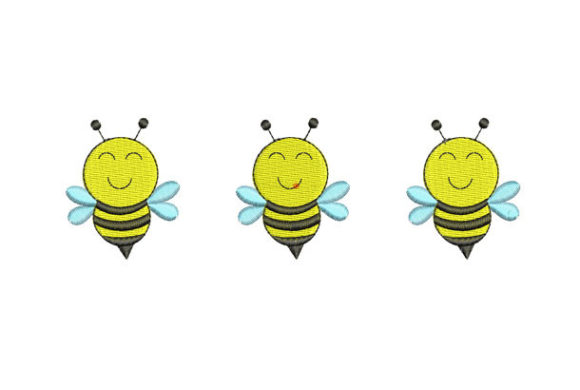
As an embroidery designer who has spent years digitizing and reviewing files for commercial use, I approach every new machine embroidery design with a critical eye. It is not just about whether the image looks pretty on a screen; it is about how that design translates to fabric, how it holds up in a wash cycle, and most importantly, how it serves the brand identity of the small business owner purchasing it. Today, I am taking a close look at Cute Bees, a beautiful bee embroidery design that promises delicacy and versatility for nature-related projects.
For small business owners, Etsy sellers, and apparel decorators, finding the right digital asset is crucial. You need more than just a graphic; you need a reliable embroidery file that performs consistently across different garments and products. Let us break down how Cute Bees fits into a professional merchandise strategy.
First Impressions: Visual Personality and Brand Fit
The immediate impression of Cute Bees is one of approachable charm. The title itself suggests a playful, friendly aesthetic, which is confirmed by the description highlighting its delicate nature. For brands in the Bugs category or those focusing on organic, eco-friendly, or handmade products, this visual personality is a strong asset. It does not scream corporate rigidity; instead, it whispers community, care, and natural beauty.
This design feels ideal for boutique merchandise where the goal is to create an emotional connection with the customer. Whether you are running a local florist shop, a honey-based skincare line, or a children’s clothing brand, the "cute" factor helps lower barriers and invites engagement. However, because it is described as delicate, we must consider if it retains enough boldness to be seen from a distance. In my experience, designs that lean towards the elegant or decorative side require careful placement to ensure they do not get lost on busy fabrics.
Real-World Applications for Small Business Merch
When evaluating Cute Bees for commercial use, I mentally place it on various standard items to test its versatility. Here is how I see this design performing in real business scenarios:
- Embroidered Patches: This is perhaps the strongest use case. A bee motif works beautifully as an iron-on or sew-on patch for tote bags and denim jackets. It allows customers to add a touch of personality to their own items, extending your brand’s reach.
- Staff Uniforms and Aprons: For cafés, bakeries, or garden centers, embroidering this design on the chest pocket of an apron adds a professional yet warm touch. It signals attention to detail without being overpowering.
- Cap Embroidery: Placing a small version of the bee on the side or front of a cap can serve as a subtle brand marker. However, curved surfaces require precise digitizing to prevent distortion.
- Tote Bag Design: Canvas totes are a staple for handmade brands. A centered or corner-placed bee design elevates a simple bag into a desirable accessory, increasing the perceived value of the finished product.
- Product Packaging Accents: While primarily for fabric, this design can inspire printed labels or tags, creating visual consistency between your physical goods and your custom apparel offerings.
Technical Considerations and Production Notes
While the aesthetic appeal is clear, the technical execution determines whether a design becomes a bestseller or a return nightmare. Since the product description notes that this digital embroidery file comes with multiple formats, it is essential to verify compatibility with your specific machine before starting production.
One major concern with "delicate" designs is stitch density. If the stitches are too sparse, the fabric may show through, ruining the clean look. If they are too dense, the fabric may pucker, especially on lighter materials like cotton tees or silk blends. I recommend running a test stitch-out on a scrap piece of your actual production fabric. Pay close attention to the thread colors you choose. High contrast is key; a yellow bee on a white shirt might vanish, whereas a gold or amber thread on navy blue will pop.
Another critical factor is the hoop size. Ensure that the design fits comfortably within your standard hoop without requiring excessive re-hooping, which can lead to misalignment. For items like caps or sleeves, using the correct stabilizer is non-negotiable. A cut-away stabilizer is often best for garments that will undergo frequent washing, ensuring the design remains crisp and does not distort over time.
Strategic Placement and Brand Identity
How you use Cute Bees affects your brand identity. Consistency builds trust. If you use this design on your staff uniforms, consider using a simplified version on your packaging inserts or thank-you cards. This creates a cohesive visual language that customers recognize instantly.
However, there are places where this design should be used carefully. Avoid placing intricate details on areas subject to high friction, such as the inner elbow of a shirt or the seat of pants. Also, be cautious with very small patch sizes. If the design is shrunk too much, the fine lines may merge, turning a cute bee into an indistinguishable blob. Always create a printable mockup at actual size to review the spacing and clarity before committing to a large batch of commercial embroidery.
Maximizing Value for Handmade Brands
For Etsy sellers and crafters, this design offers more than just decoration; it offers a narrative. Nature-related projects resonate with buyers looking for sustainability and authenticity. By incorporating Cute Bees into your design assets, you are tapping into a market that values craftsmanship and environmental consciousness.
To maximize the return on investment, consider offering customization. Allow clients to choose their thread colors to match their personal style or brand palette. This level of service transforms a standard item into a bespoke piece, justifying a higher price point. Additionally, ensure you understand the licensing terms. The description mentions it is ideal for decorating clothes, but always confirm if the license covers unlimited commercial sales or if there are restrictions on volume.
Final Verdict for Designers and Makers
Cute Bees is a promising addition to any embroidery library focused on lifestyle, nature, or boutique retail. Its strength lies in its versatility and emotional appeal. However, its success depends entirely on proper technical execution. Test it thoroughly, respect the limitations of fabric texture, and use it strategically to enhance your brand’s story. When done right, this delicate design can become a powerful tool for customer retention and brand recognition in the competitive world of small business merch.
Before you launch your next collection, take the time to inspect the file quality, check the stitch density against your chosen material, and visualize how this bee will look in the hands of your ideal customer. That attention to detail is what separates amateur crafts from professional brands.