Heart Beat: A Designer’s Review for Branded Merch
As an embroidery designer who has spent years digitizing logos and testing files for small business clients, I approach every new machine embroidery design with a critical eye. It is not just about whether a pattern looks pretty on a screen; it is about how it performs under the needle, how it holds up in the wash, and most importantly, how it elevates a brand. Recently, I reviewed Heart Beat, a design positioned within the Wellness category, to determine its viability for commercial use. For boutique owners, Etsy sellers, and apparel decorators, understanding the nuance of such a file is crucial before committing to production runs.
First Impressions and Visual Personality
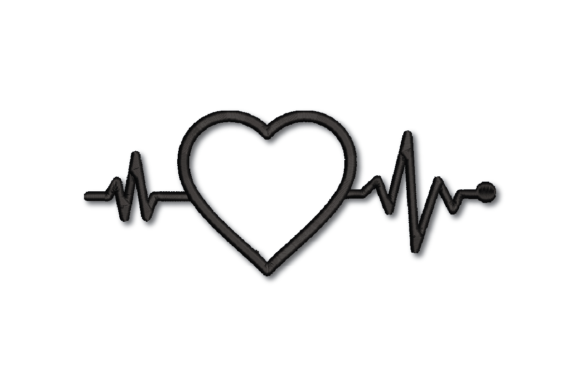
The title Heart Beat immediately suggests a connection to life, vitality, and care. In the context of brand identity, this is powerful. Whether you run a local café, a yoga studio, a florist shop, or a handmade skincare line, the concept of a heartbeat resonates with customers on an emotional level. Visually, one expects this design to lean towards either a modern, minimalist aesthetic or a soft, organic feel. For wellness brands, the design likely avoids harsh, industrial lines in favor of something that feels approachable and human.
When evaluating Heart Beat as a potential asset for small business merch, the initial impression is that it serves as more than just decoration. It acts as a symbol of trust. A well-executed heartbeat motif on a staff uniform or a product package signals that the business is alive, active, and attentive. However, the description notes that any alteration on the files may affect the output. This is a standard but vital warning. It tells us that the digitizer has optimized the stitch paths specifically for the intended size and density. Changing the scale without re-digitizing can lead to gaps in coverage or thread breaks, which ruins the professional look we strive for.
Real-World Applications for Small Businesses
The true test of any digital embroidery file is its versatility across different substrates. Here is how Heart Beat performs in various commercial scenarios:
- Embroidered Patches: This is perhaps the strongest application. A patch allows for high-density stitching and clean edges. Using Heart Beat on a twill or felt backing creates a premium add-on for tote bags or jackets. It transforms a basic item into a collectible piece of custom apparel.
- Staff Uniforms and Aprons: For cafes and bakeries, apron embroidery is a subtle yet effective branding tool. Placing a small version of the design on the chest pocket or near the hem adds a touch of personality without overwhelming the garment. It reinforces the wellness theme, suggesting that the staff cares about the craft.
- Cap Embroidery: Caps are tricky due to the curved surface. If Heart Beat has moderate stitch density, it can work beautifully on the front panel. However, if the design is too wide, it may distort around the curve. I recommend testing a smaller version first to ensure the lines remain crisp.
- Tote Bag Design: Canvas totes are staples for retail shops. The texture of canvas requires a robust stabilizer. When Heart Beat is stitched here, it should stand out against the natural fabric grain, offering a rustic yet polished look that appeals to eco-conscious consumers.
Navigating Technical Challenges
While the concept is strong, execution requires precision. The product description explicitly states: Remember to always run a sample of the files on the test fabric before stitching on. This cannot be overstated. Different fabrics react differently to tension and needle penetration.
For instance, when working with textured fabric like terry cloth towels or thick denim, the details of Heart Beat might get lost if the stitch count is too low. Conversely, on slippery performance fabrics often used in wellness activewear, the design needs adequate stabilization to prevent puckering. If you are using this for dark uniforms, consider how the thread colors contrast. A single-color outline might vanish on black fabric, whereas a satin stitch fill would pop.
Another critical factor is the hoop size. Without knowing the exact dimensions provided in the file package, you must verify that the design fits your machine’s capabilities. Trying to force a large design into a small hoop can result in misalignment. Always check the included formats to ensure compatibility with your specific embroidery machine software.
Enhancing Brand Identity and Customer Trust
In the crowded marketplace of handmade goods and local businesses, consistency is key. Using Heart Beat across multiple touchpoints creates a cohesive visual language. Imagine a customer buying a handmade soap bar wrapped in paper featuring a printed version of the logo, then receiving it in a tote bag with the same design embroidered. This repetition builds recognition.
Furthermore, high-quality commercial embroidery signals professionalism. A sloppy stitch job can undermine perceived value, but a clean, well-tested Heart Beat design enhances it. It shows that the business owner pays attention to detail. For Etsy sellers, including photos of the embroidered detail in your listing can significantly boost buyer engagement. It proves that the product is tangible, durable, and crafted with care.
Practical Designer Notes for Production
Before you launch a full production run using this design assets package, follow these steps to ensure success:
- Test in Black and White: Before selecting your brand colors, stitch the design in black thread on white fabric. This reveals the structural integrity of the digitizing. If it looks good in monochrome, it will likely look good in color.
- Check Small Patch Sizes: If you plan to use this as a tiny label or tag, ensure the details do not merge. Fine lines may need to be simplified or removed for very small applications.
- Review Thread Color Contrast: Choose threads that complement your base material. For wellness brands, earth tones or soft pastels often work better than neon brights, unless your brand identity is specifically bold and playful.
- Inspect Spacing and Density: Look at the stitch map if available. Ensure there are no long jumps that could snag, and that the density is appropriate for the fabric weight.
- Use Proper Stabilizer: Match the stabilizer to the fabric. Cut-away for stretchy knits, tear-away for stable wovens. This prevents distortion after washing.
- Create a Printable Mockup: Use digital tools to place the design on a photo of your product. This helps visualize the final look before spending time and thread on a physical sample.
- Confirm Commercial Licensing: Always read the license terms included with the embroidery file. Ensure you have the rights to use the design on items for sale, not just for personal projects.
In conclusion, Heart Beat offers a meaningful aesthetic for businesses in the wellness and lifestyle sectors. Its value lies not just in its visual appeal, but in its ability to convey care and professionalism through Embroidery. By respecting the technical constraints—testing on real fabric, avoiding unauthorized alterations, and choosing the right applications—you can turn this digital file into a powerful tool for brand growth. Whether it adorns a barista’s apron or a customer’s favorite tote, a well-stitched heartbeat reminds everyone that there is life and passion behind the brand.