Toys Stacking Cups: A Designer’s Review
As an embroidery designer who spends countless hours digitizing and testing files for commercial use, I have learned that not every cute design translates well into a durable, high-quality finished product. When I first came across Toys Stacking Cups on Creative Fabrica, my initial reaction was one of cautious optimism. The preview images suggested a playful, organized aesthetic perfectly suited for the Babies category, but I needed to know if this machine embroidery design could hold up under the scrutiny of a paying customer.
This review is written from the perspective of a professional looking to integrate this file into real-world projects, such as custom nursery decor, personalized gifts, and boutique merchandise. If you are an Etsy seller, a small business owner, or a creative entrepreneur, understanding the practical application of this embroidery file is crucial before you commit to stitching it out for a client.
First Impressions and Visual Appeal
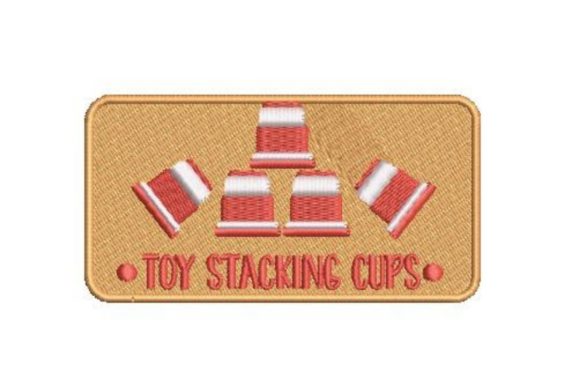
The visual mood of Toys Stacking Cups is undeniably charming. It captures that specific niche of toy organization that many parents struggle with, offering a solution that is both functional and decorative. The design features a label-style layout, which immediately suggests versatility. It does not scream "baby" in a way that limits its lifespan; rather, it offers a cute order that can grow with the child or serve as a stylish organizational tool in a playroom.
From a decorative appeal standpoint, the design relies on clean lines and balanced spacing. For embroidery designers, this is often a sign of good digitizing potential, but we must look closer. The detail level appears moderate, avoiding overly complex micro-details that might get lost in thick fabrics like terry cloth or fleece. This makes it a strong candidate for items that require frequent washing, such as baby blankets or kitchen towels used in craft areas.
Real-World Project Applications
When considering where to apply Toys Stacking Cups, the possibilities extend far beyond simple onesies. Here is how I envision this design performing in various commercial embroidery scenarios:
- Tote Bag Design: Canvas totes are a staple for crafters. This label design would look exceptional on a heavy-duty canvas bag intended for toy storage. The structured nature of the design complements the rigid fabric of a tote.
- Sweatshirt Embroidery: For custom apparel, placing this on the chest or sleeve of a children’s sweatshirt adds a personalized touch. It works well as a name tag alternative, helping kids identify their belongings at daycare or school.
- Nursery Decor: Think pillow covers or wall hangings. The design’s organizational theme fits seamlessly into modern nursery aesthetics that prioritize tidiness and style.
- Embroidered Patch: If you sell patches, this design could be stitched onto twill or felt backing. Patches are low-risk items for testing new designs and offer high profit margins.
- Kitchen Towels and Aprons: For the crafty parent, an apron with this design adds a whimsical touch to baking or crafting sessions with kids.
For handmade shop owners, the key is positioning. This is not just a baby item; it is a lifestyle product for organized families. By marketing it as a tool for "cute order," you appeal to the buyer’s desire for aesthetics alongside functionality.
Technical Considerations for Stitching
While the design is visually appealing, technical execution is where many beginners fail. Here are the critical factors to consider when working with Toys Stacking Cups:
Fabric Choice and Stabilizer: Since this design is intended for toys and organization, you will likely be stitching on textured or stretchy fabrics. Terry cloth, minky, and cotton blends are common choices. Always use a proper stabilizer. For stretchy fabrics like sweatshirt material, a cut-away stabilizer is essential to prevent puckering. For woven fabrics like canvas or towel material, a tear-away may suffice, but test first.
Stitch Density and Texture: Without seeing the specific stitch count, which is not provided in the brief description, I advise checking the density carefully. If the design uses heavy fill stitch areas, it may pull on lightweight fabrics. Look for a balance of satin stitch for borders and fill stitch for larger colored areas. Running stitch should be used for fine details to keep the design flexible.
Hoop Size and Placement: The description mentions it is a label design, which implies it might be small. Confirm the hoop size requirements before starting. If you are stitching on curved surfaces like caps, ensure the design fits within the curvature without distortion. Small hoop sizes require precise hooping to avoid shifting.
Thread Colors: Contrast is key. If stitching on dark fabric, ensure your thread colors pop. Test on scrap fabric first to see how the thread colors interact with the base material. Sometimes, a slight change in shade can make the design stand out more effectively in product photography.
Enhancing Product Value and Brand Consistency
Using high-quality design assets like Toys Stacking Cups can significantly impact your brand perception. A well-stitched, professionally presented item builds buyer trust. When customers see clean stitching and thoughtful design placement, they perceive higher value. This is crucial for competitive marketplaces like Etsy.
Furthermore, this design aids in creating a cohesive brand identity. If your shop focuses on organization and family life, this embroidery file reinforces that message. It allows for consistent branding across different products, from tote bags to pillow covers. For digital product sellers, you can even use printable mockups to showcase how the design looks on various items before you even stitch a single thread.
Final Verdict and Practical Advice
Is Toys Stacking Cups worth downloading? For designers focused on the Babies and organization niche, yes. It offers a versatile, commercially viable option that fits well into current trends. However, success depends on execution.
Before selling finished products, always check the license terms on the Creative Fabrica product page. Ensure you understand the rights for commercial embroidery. Additionally, since the description notes that the file comes with multiple embroidery file formats, verify that your machine can read the specific format provided. Common formats include PES, DST, and JEF, but compatibility varies.
My advice is to start with a test stitch on a similar fabric to your final product. Inspect small details after stitching to ensure no threads are loose and the tension is correct. Compare light and dark fabric mockups to determine the best thread palette for your inventory. By taking these precautions, you can turn this digital embroidery file into a best-selling handmade product that delights customers and enhances your portfolio.
In the world of commercial embroidery, reliability is everything. Toys Stacking Cups has the potential to be a reliable staple in your design library, provided you approach it with the technical diligence it deserves. Happy stitching!