King of the Jungle: A Designer's Real-World Review
As a designer who has spent years navigating the delicate balance between digital files and physical thread, I approach every new machine embroidery design with a critical eye. We are not just looking for cute images; we are hunting for assets that translate well into tangible goods. Today, I am putting King of the Jungle under the microscope. This piece falls squarely into the Wild Animals category, but does it hold up when you move from the screen to the hoop? Let's dive into how this embroidery file performs in actual production scenarios.
First Impressions: Mood and Visual Weight
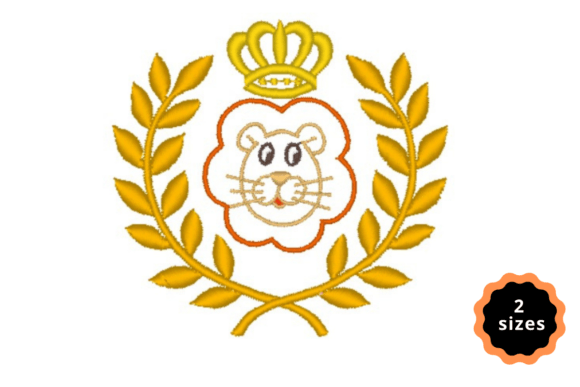
When I first loaded King of the Jungle into my digitizing software, the immediate vibe was playful yet bold. The description promises an "extraordinary look," and visually, the layout supports that claim. The character is rendered with enough definition to stand out as a focal point without becoming a tangled mess of thread. In the realm of Embroidery, clarity is king, and this design respects the limitations of the medium.
The shape feels balanced, making it versatile for various applications. It isn't overly wide or excessively tall, which suggests it will fit comfortably within standard hoop sizes without needing awkward resizing. The visual personality screams "adventure" and "whimsy," making it an instant favorite for nursery decor or children's apparel. However, as a professional, I know that a pretty preview doesn't always equal a perfect stitch-out. The real test comes when we consider the texture of the fabric and the density of the stitches.
Real-Life Application: From Screen to Sweatshirt
To truly evaluate King of the Jungle, I need to visualize it on a finished product. Imagine a custom sweatshirt embroidery project for a local boutique. The owner wants a cozy, high-quality item for their holiday collection. Placing this design on the left chest of a heavy cotton blend sweatshirt creates an excellent contrast. The fill stitch areas would likely provide a nice weight to the image, preventing it from looking flat against the thick fabric.
Alternatively, consider a tote bag design. Canvas is a forgiving fabric, but it requires a good stabilizer to prevent puckering. If I were using King of the Jungle here, I would place it centrally on the front panel. The "adorable" nature of the animal makes it perfect for a reusable shopping bag sold at a craft fair. Customers often gravitate toward designs that tell a story, and a jungle theme offers a fun narrative that appeals to both kids and adults who love wildlife.
For those running a craft business or selling on Etsy, this design also works beautifully as an embroidered patch. By stitching it onto felt or twill and trimming the edges, you create a durable accessory that can be sewn or ironed onto jeans, backpacks, or hats. The versatility of King of the Jungle allows it to transition seamlessly from a standalone garment decoration to a detachable badge, increasing its value as a commercial asset.
Navigating Fabric Challenges and Stitch Density
While the design looks promising, experienced decorators know that fabric choice dictates success. I would exercise caution if attempting this on very thin or stretchy fabrics like jersey knit. Without proper backing, the tension from the stitch density could cause the material to warp. For baby embroidery projects, such as onesies or bibs, I would recommend testing the design on a scrap piece of the same fabric first. Infants have sensitive skin, and any roughness from dense stitching needs to be minimized.
Dark fabrics present another challenge. Since the product description mentions "multiple embr" options (likely implying multiple color variations), checking how the lighter colors pop against a black background is crucial. You might need to adjust the thread colors or add a layer of white underlay to ensure the details of the animal remain visible. If the running stitch outlines are too fine, they might get lost in the weave of a dark denim jacket.
Furthermore, curved surfaces like caps require special attention. While King of the Jungle seems manageable, placing it on a cap brim demands a specific hoop setup. If the design is too large, it will distort around the curve. Always verify the dimensions against your cap hoop before committing to a full run of merchandise.
Strategic Advice for Small Business Owners
If you are an Etsy seller or a small shop owner planning to use this for commercial embroidery, there are strategic steps you must take. First, confirm the licensing terms. Just because you own the digital embroidery file doesn't automatically grant you the right to sell unlimited finished products. Ensure your license covers the volume of items you intend to produce.
Secondly, invest time in creating a printable mockup. Before stitching a single thread, visualize how King of the Jungle looks on different backgrounds. Compare light and dark fabric scenarios to see which sells better. This step helps you maintain brand consistency across your listings. A cohesive look builds customer trust and increases the perceived value of your handmade product.
Don't forget the importance of the stabilizer. Whether you are working on a kitchen towel, a pillow cover, or a personalized gift, the right stabilizer is the unsung hero of embroidery. It holds the fabric taut, ensuring the satin stitch edges remain crisp and the fill areas lay flat. Skipping this step is a common mistake that leads to frustrated customers and returns.
Final Verdict on King of the Jungle
In conclusion, King of the Jungle is a solid addition to any designer's library of design assets. Its appeal lies in its adaptability; it works equally well for a holiday embroidery gift, a personalized baby blanket, or a unique piece of custom apparel. The design captures the essence of the Wild Animals category with a friendly, approachable aesthetic that resonates with buyers.
However, its success depends entirely on execution. As with any embroidery project, test it thoroughly. Check the stitch count, review the density, and ensure the hoop size matches your machine capabilities. When used correctly, this machine embroidery design can elevate your finished product from a simple item to a standout piece that customers will cherish. It is a reliable tool for creative entrepreneurs looking to add a touch of the wild to their portfolio without sacrificing quality or professionalism.